
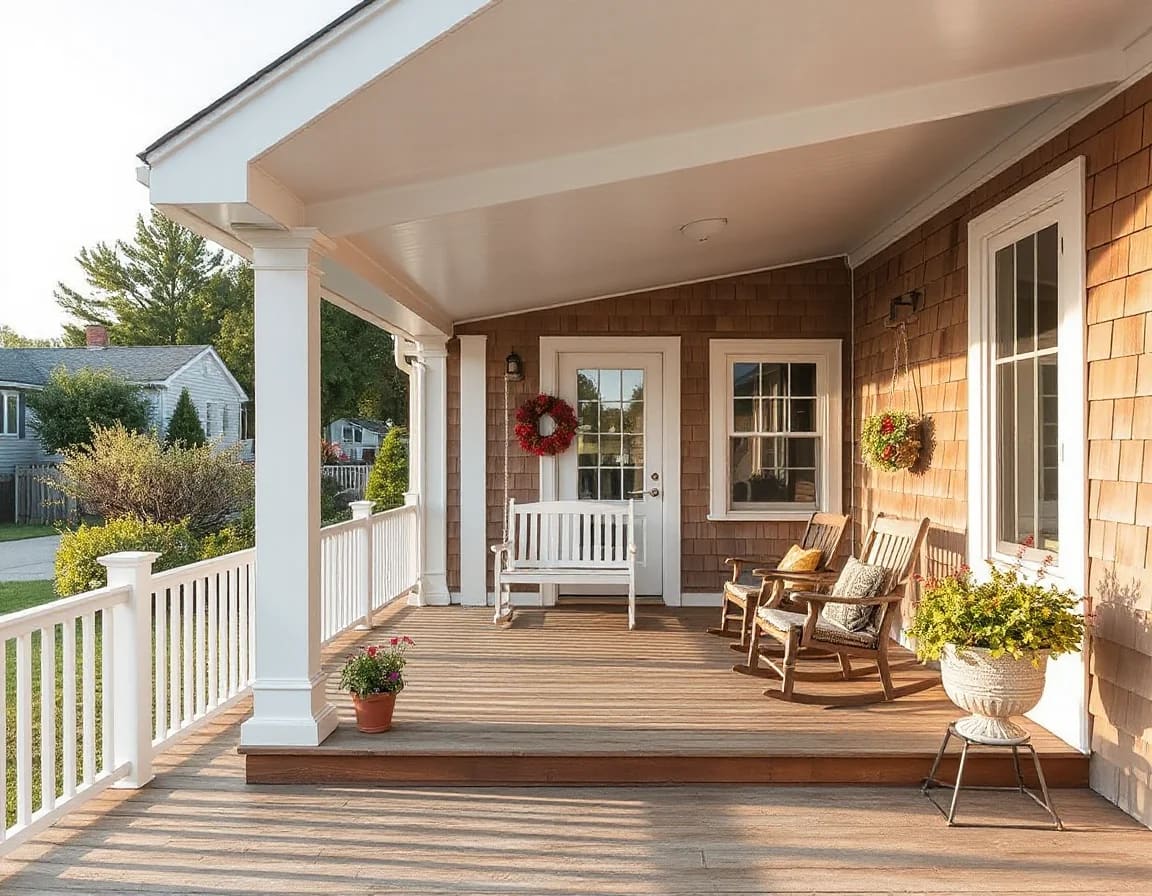
Small, targeted improvements often do more for a Cape Cod cottage sale than a full-scale remodel. The best pre-listing fixes highlight light, function, and condition while respecting the charm that makes these homes memorable. If you are preparing to sell, these five updates can help your property photograph better, show more smoothly, and support stronger buyer confidence.
Start With Moisture, Wood Trim, and Exterior Wear
Cape Cod cottages have a look buyers immediately recognize: weathered shingles, compact footprints, breezy porches, and easy coastal character. But charm alone does not carry a listing if deferred maintenance is visible. In this market, one of the smartest seller moves is addressing the practical issues first, especially anything tied to moisture, rot, peeling trim, or aging exterior details. These repairs may not feel glamorous, yet they shape a buyer’s first impression before anyone notices the staging or décor.
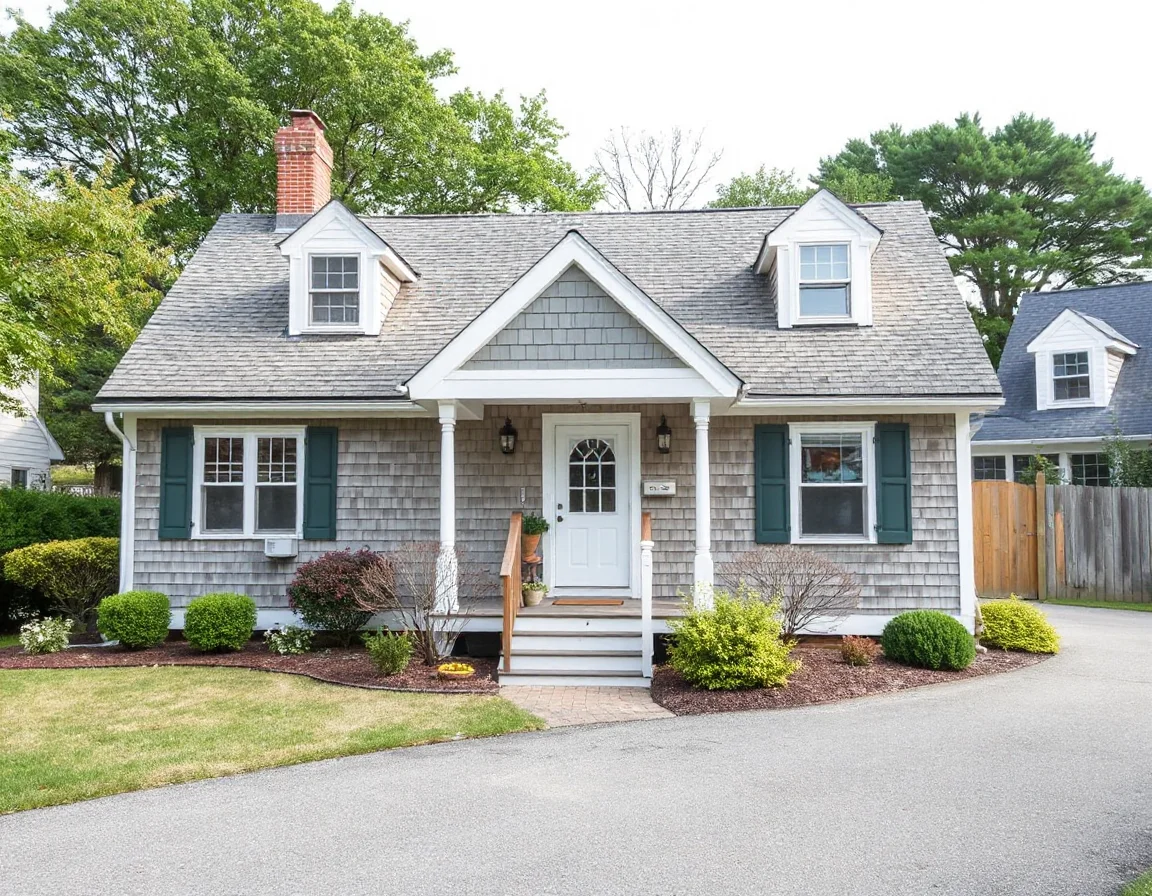
Salt air, seasonal weather, and years of exposure can take a toll on siding, railings, steps, and window casings. A cottage with clean trim lines, repaired shingles, and a freshly maintained entry signals that the rest of the home has likely been cared for as well. Even modest exterior touch-ups can improve listing photos, where texture and condition read clearly on screen. For many buyers, exterior neglect raises questions about what they cannot see, from crawlspaces to roofing details.
That is why repair dollars often work harder outside than sellers expect. Tightening a handrail, replacing damaged wood, repainting worn trim, and power washing surfaces can make a compact home feel crisp rather than tired. On cottages especially, where scale is smaller and every detail stands out, little flaws tend to feel larger than they would in a bigger property.
When a cottage shows clean exterior lines and well-kept entry details, buyers often assume the home has been maintained with similar care inside. That confidence can influence both showing feedback and offer strength.
Refresh Kitchens Without Overbuilding the Space
A full kitchen renovation is not always the best answer in a cottage. These homes often benefit more from thoughtful updates than from pushing in a direction that feels oversized or out of character. Sellers usually get better traction by focusing on the visual and functional basics: cabinet hardware, paint, counters if they are badly dated, lighting, and appliances that look clean and cohesive.
Because many Cape Cod cottages have modest kitchens, buyers tend to evaluate them on efficiency, brightness, and upkeep rather than on sheer square footage. A fresh coat of paint in a soft neutral, uncluttered counters, and improved task lighting can make a small kitchen feel more useful immediately. If cabinets are structurally sound, painting or refinishing them often delivers a better return than replacement. Likewise, swapping an old faucet or stained sink can subtly modernize the room without erasing its original charm.
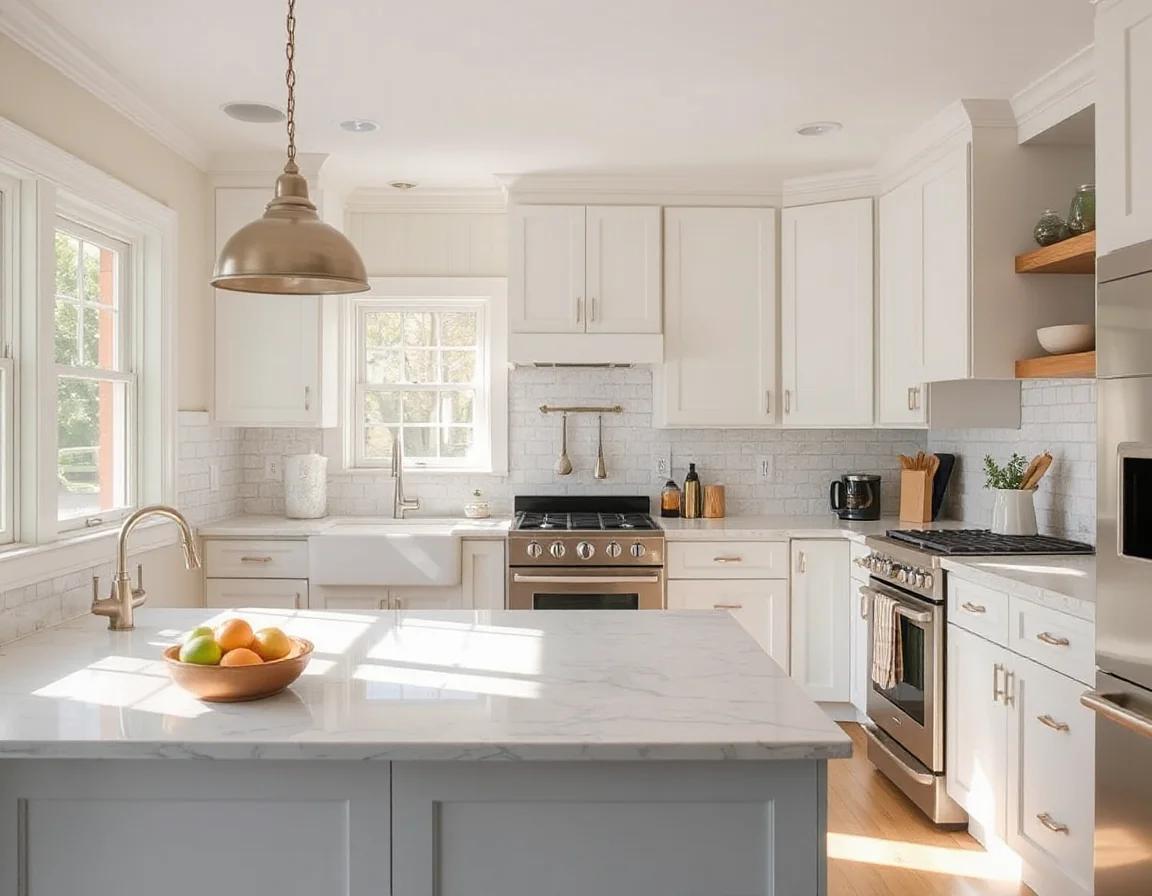
What matters most is avoiding a mismatch between the renovation and the home itself. In smaller coastal properties, buyers often respond best to kitchens that feel tidy, well lit, and easy to use. Overly customized finishes can narrow appeal, while straightforward upgrades let buyers imagine how they would live in the space. The goal is not luxury for its own sake; it is a kitchen that feels dependable and inviting.
Before listing, it is also worth checking the easy-to-miss items: sticky drawers, cabinet doors that do not close properly, loose pulls, and dated light bulbs that cast a yellow or uneven glow. These are inexpensive fixes, yet they noticeably improve walkthroughs and photos.
Make Bathrooms Feel Clean, Bright, and Ready
Bathrooms are another place where condition matters more than size. In a cottage, buyers generally understand that the footprint may be compact, but they still want a room that feels fresh and finished. Re-caulking, regrouting, replacing an old vanity mirror, updating light fixtures, and fixing worn plumbing hardware can dramatically improve the impression of the space without requiring a full tear-out.
Nothing distracts faster than mildew stains, cracked caulk lines, rust marks, or a fan that sounds like it is on its last legs. These are small signals, but they can make buyers wonder whether moisture problems have been ignored over time. By contrast, a clean bathroom with bright lighting and polished fixtures feels ready for immediate use. That “move-in ready” impression is often built from details, not expensive materials.
It also helps to edit the room before photos and showings. Clear counters, fresh towels, simple styling, and open floor area can make a compact bath feel larger. Since many cottages rely on efficient layouts, visual calm matters. Buyers do not need a spa-like renovation to respond positively; they need to see a space that feels maintained and functional.
In smaller homes, buyers tend to notice unfinished bathroom maintenance quickly because there are fewer rooms to offset it. Simple repairs here often punch above their cost.
Improve Light, Flooring, and the Way Rooms Connect
One of the most valuable seller fixes is also one of the least dramatic: helping the home feel brighter and more cohesive. Cape cottages often have wonderful texture and character, but some also have low ceilings, smaller windows, or segmented rooms that can feel dim if finishes are too heavy. Updating lighting, refinishing worn floors, and simplifying wall colors can change the entire feel of the interior.
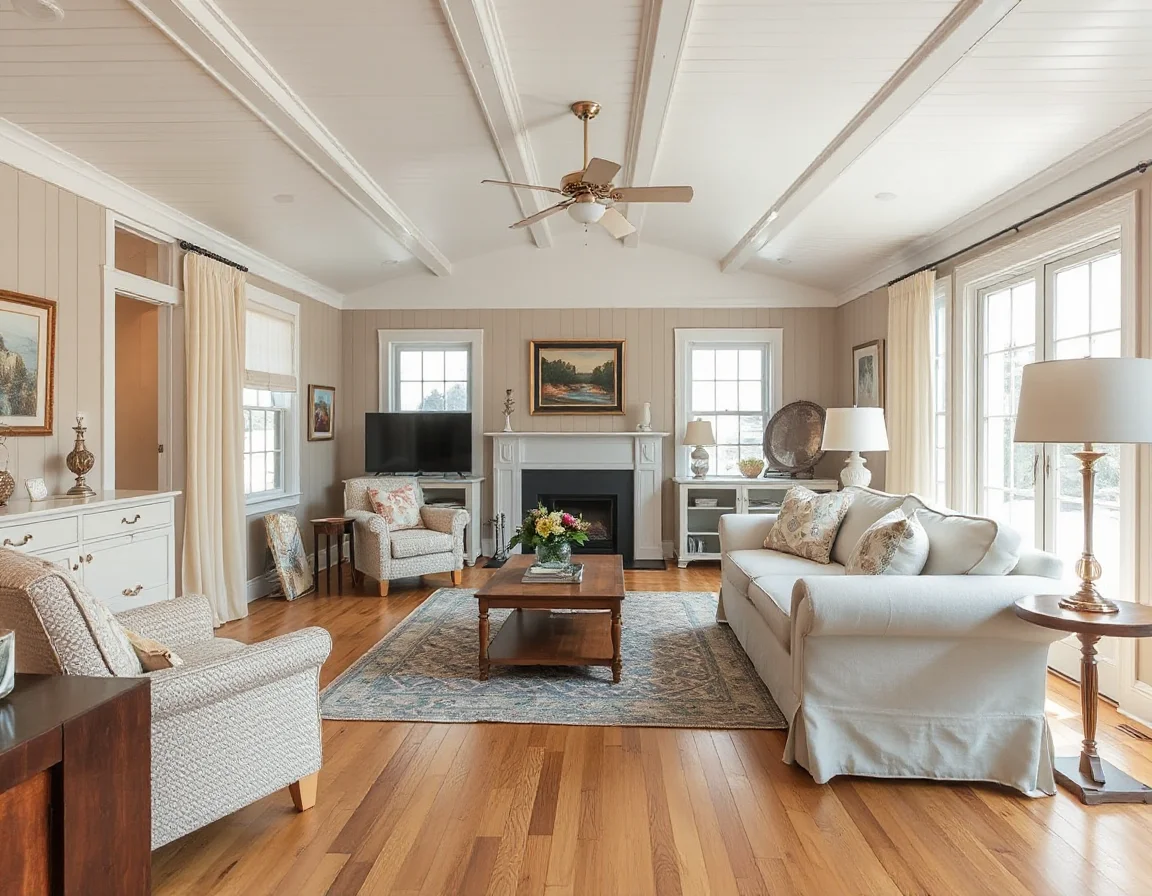
If flooring is heavily scratched, stained, or inconsistent from room to room, buyers may focus on the work ahead instead of the home’s layout and character. Refinishing existing wood floors or replacing tired materials with a clean, durable option can help the entire property show better. The same goes for lighting: outdated fixtures, dim bulbs, and shadowy corners can make a cottage feel smaller than it is. Warm but clear lighting supports the sense of comfort buyers want while keeping rooms visually open.
Paint is another high-impact tool. Coastal cottages usually benefit from light neutrals that reflect daylight and let architectural details stand out. The right palette can connect living spaces, make low ceilings recede, and create a calmer transition from room to room. Sellers do not need a trendy look as much as a consistent one.
For owners wondering where to begin, this is often where local guidance pays off. A seasoned eye can help separate updates that support marketability from projects that simply consume time and budget.
Handle the Hidden Items Buyers Notice During Due Diligence
Some of the most important fixes are not especially visible during the first showing. Buyers may fall for the porch, the shingles, and the sunlit living room, but they become cautious when systems and maintenance records feel uncertain. Sellers of Cape Cod cottages should pay close attention to items like heating performance, older windows that do not operate properly, drainage concerns, crawlspace conditions, and any signs of long-term moisture intrusion.
These homes often have age, seasonal use patterns, or renovation histories that make practical details especially relevant. Even when a buyer loves the property, confidence can slip if a home inspection reveals a pile of small unresolved issues. Taking care of them in advance often leads to smoother negotiations because buyers are not left guessing about future costs. That does not mean every old-house quirk must disappear. It means obvious repair needs should not compete with the home’s strongest features.
Documentation can help here too. If a seller has serviced a heating system, repaired trim, updated plumbing fixtures, or addressed drainage, having that information organized can reinforce the impression of steady care. In many cases, preparation is what protects a cottage’s value story.
The Best Fixes Protect Character While Reducing Buyer Friction
The most effective pre-sale updates are rarely the flashiest ones. In a Cape Cod cottage, value often comes from preserving the home’s personality while removing the obstacles that make buyers hesitate. Exterior upkeep, a refreshed kitchen, a clean bathroom, brighter interiors, and attention to hidden maintenance issues all work together toward the same goal: helping the home feel cared for, functional, and easy to say yes to.
Every property is different, and the right pre-listing strategy depends on condition, price point, and timing. But sellers who focus on the fixes that matter most are usually in a stronger position when photos go live and showings begin. On Cape Cod, where charm gets buyers in the door, condition is often what keeps their interest once they are there.