
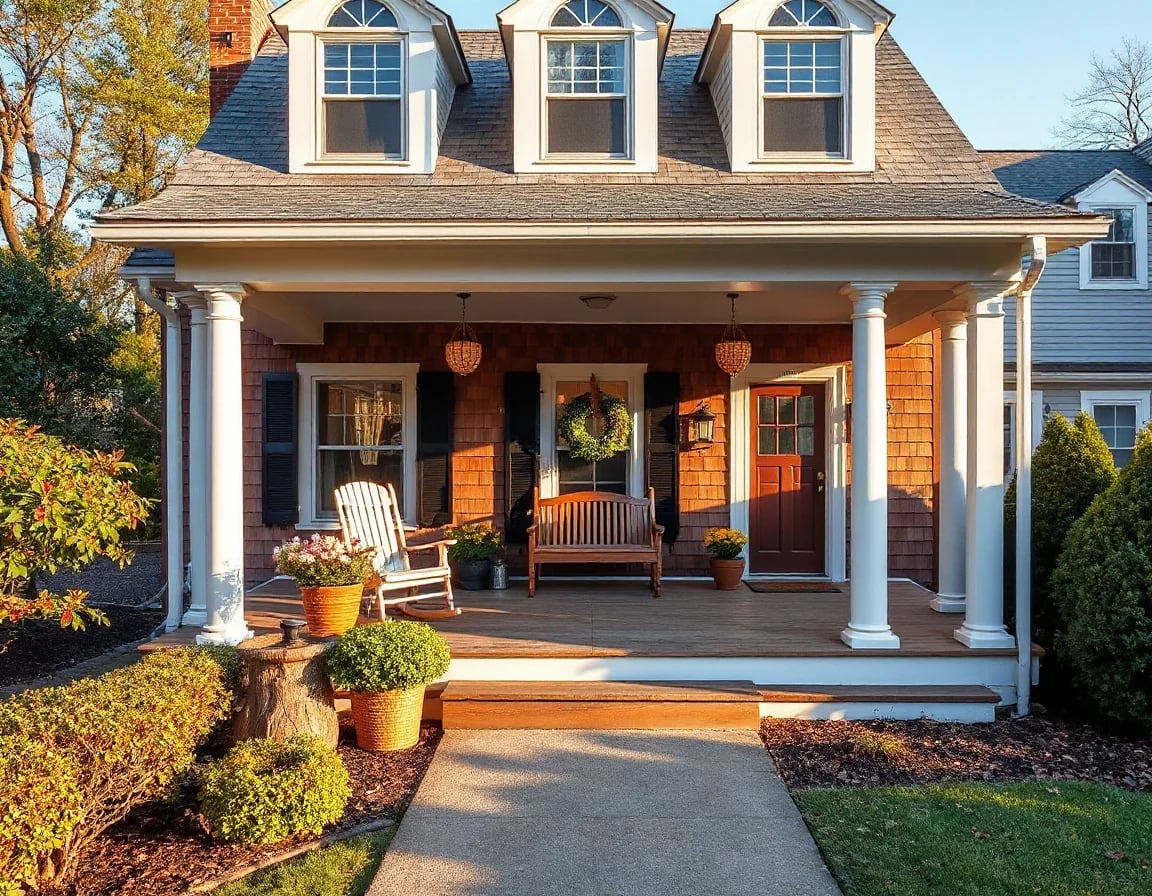
On the Lower Cape, buyers often face a practical tradeoff: pay for a salt-marsh view, prioritize walking distance to the beach, or gain space with a larger lot. In Harwich, Dennis, and Brewster, those choices can shape not just lifestyle, but resale flexibility, maintenance needs, and long-term value. Looking at how each feature performs in real-world Cape Cod conditions can make the search far more focused.
The real value question on Cape Cod
Not every desirable feature carries value in the same way. A marsh view can create a dramatic daily backdrop and strong visual appeal, but it may also come with exposure to wind, weather, and conservation-related considerations. A short beach walk can support convenience and lasting demand, especially in communities where summer access is a defining part of the market. A bigger lot, meanwhile, often appeals for privacy, outdoor use, and future flexibility, but the payoff depends heavily on location, shape, setbacks, and upkeep.
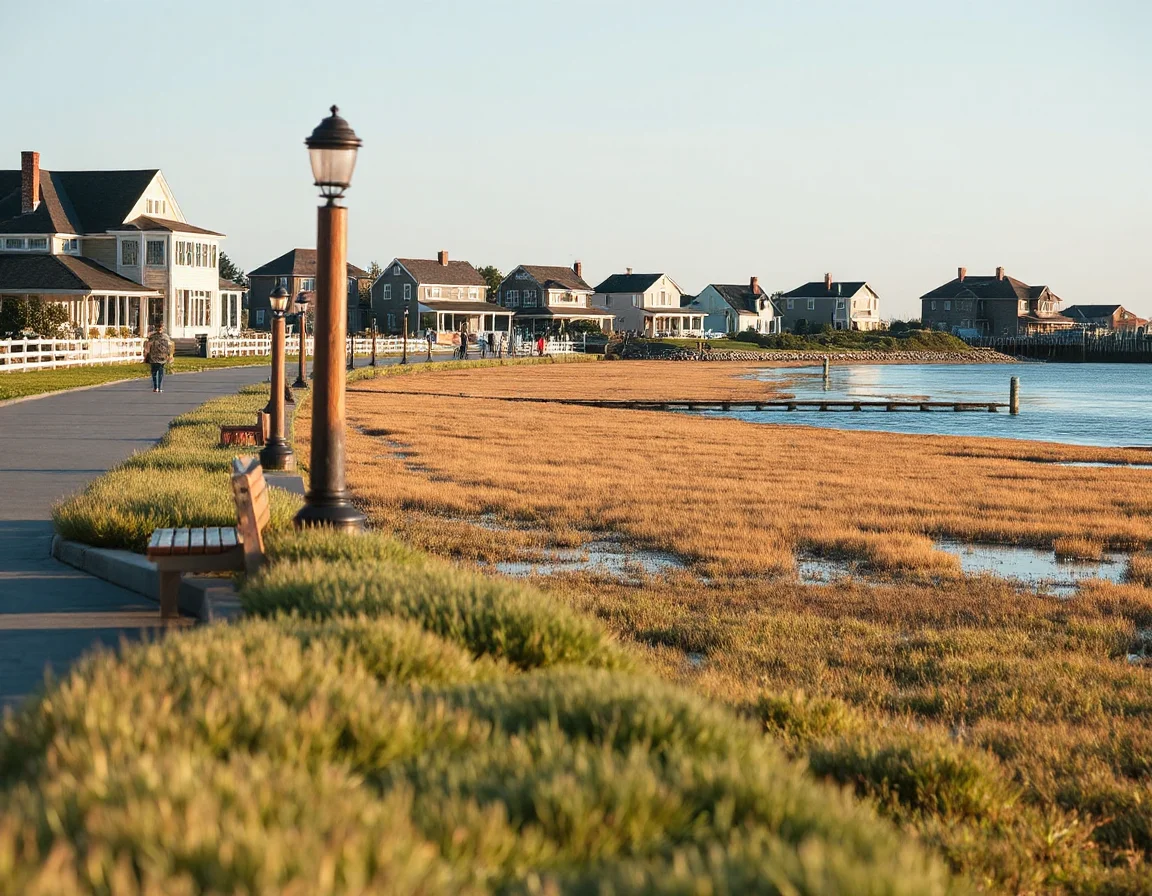
That is why the smartest comparison is rarely feature versus feature in the abstract. It is feature in context. In Harwich, Dennis, and Brewster, proximity to water, neighborhood layout, road access, flood-zone details, and seasonality all influence how buyers respond to a property. Two homes with the same square footage can perform very differently if one has an open marsh edge, another sits within an easy walk of shoreline access, and a third offers a deeper lot tucked farther inland.
For buyers, the right answer often starts with a simple question: what do you want the property to do for you over the next five to ten years? If the goal is easy coastal enjoyment with minimal car trips in peak season, beach proximity may deserve a premium. If privacy and room to spread out matter more, lot size may win. If the view itself is the daily anchor, marsh frontage can be worth serious consideration.
On Cape Cod, “value” is often tied to how often a feature gets used. A view seen every day, a beach path used weekly, or outdoor space that truly fits your plans can matter more than a longer list of features on paper.
How marsh views tend to perform
Marsh-facing homes often hold a special place in the Cape market because they deliver something hard to duplicate: openness. In a region where tree cover and close-set neighborhoods can limit long sight lines, a marsh view creates breathing room, changing light, and a connection to the shoreline environment without always being directly on the water. In towns like Harwich and parts of Dennis and Brewster, that visual experience can be a powerful differentiator.
From a value standpoint, marsh views usually stand out most when they are wide, protected, and visible from major living spaces. A glimpse from one upstairs bedroom is different from a broad outlook from the kitchen, living room, and deck. Buyers typically respond strongest when the view feels integrated into daily life. Orientation matters too; western light over marshland can create memorable sunset appeal, while elevated positioning may improve both outlook and airflow.
Still, marsh properties deserve close due diligence. Depending on the exact setting, buyers may need to consider flood insurance, mosquito management, exterior wear from coastal conditions, and any restrictions tied to conservation buffers or wetlands. None of those factors make a marsh home a poor choice, but they do affect carrying costs and future projects. Adding a patio, expanding a footprint, or changing drainage may be less straightforward than on a more conventional inland parcel.
Talk through Cape Cod property tradeoffs
For resale, a strong marsh view often attracts immediate attention because it photographs well and feels distinct. But the premium can narrow if the home needs substantial updating or if the site has practical constraints that outweigh the scenery for many buyers. In other words, the view may open the door, but condition, access, and total cost still close the deal.
Why beach-walk locations often stay competitive
There is a reason beach-walk properties are so closely watched in Harwich, Dennis, and Brewster: convenience tends to hold value. Being able to reach the shoreline on foot changes how people use a home, especially during the busiest parts of the summer season when parking and traffic can shape daily plans. A house that makes beach access simple often feels easier, even when it is smaller or has less land than competing options.

That advantage shows up in buyer behavior. Homes with a true walkable route to the beach can appeal across a broad range of preferences because the feature is simple to understand and easy to enjoy. It is not dependent on renovation imagination or future land planning. Buyers can stand on the property, trace the route, and immediately grasp the benefit. On Cape Cod, that kind of clarity is valuable.
In Dennis, where beach identity is especially strong, access can carry major weight. In Harwich, closeness to Nantucket Sound beaches or village amenities can create a similarly durable appeal. In Brewster, where bayside settings and tidal patterns shape the experience, a beach walk may mean something slightly different, but it can still be a defining advantage. What matters is the actual route, the usability of the access point, and how the home’s layout supports a beach-oriented routine.
There are tradeoffs here as well. Some beach-close homes sit on smaller lots, have tighter parking, or carry a premium that limits renovation budget. Others may face more seasonal activity nearby. But from a long-term market perspective, proximity that cannot be recreated tends to remain important. You can renovate a kitchen over time. You usually cannot move a home closer to the shoreline.
If two homes are otherwise similar, reliable walkability to the beach often becomes the easier feature for future buyers to recognize and price.
When a bigger lot is the better buy
Lot size can be the quiet winner in this comparison, especially when buyers think beyond first impressions. A larger parcel may offer more privacy, better separation from neighboring homes, room for outdoor living, expanded parking, space for gardens, or simply a less compressed feel. On Cape Cod, where many homes sit on modest lots, extra land can change how the property functions in every season.
The key is whether that land is actually usable. A bigger lot delivers more value when it has a practical shape, favorable topography, and setbacks that leave room for meaningful outdoor use or future updates. Extra square footage that is steep, heavily constrained, or dominated by wetlands will not perform the same way as a level backyard with clear utility. Buyers should look carefully at where the lot extends and what can realistically be done with it.
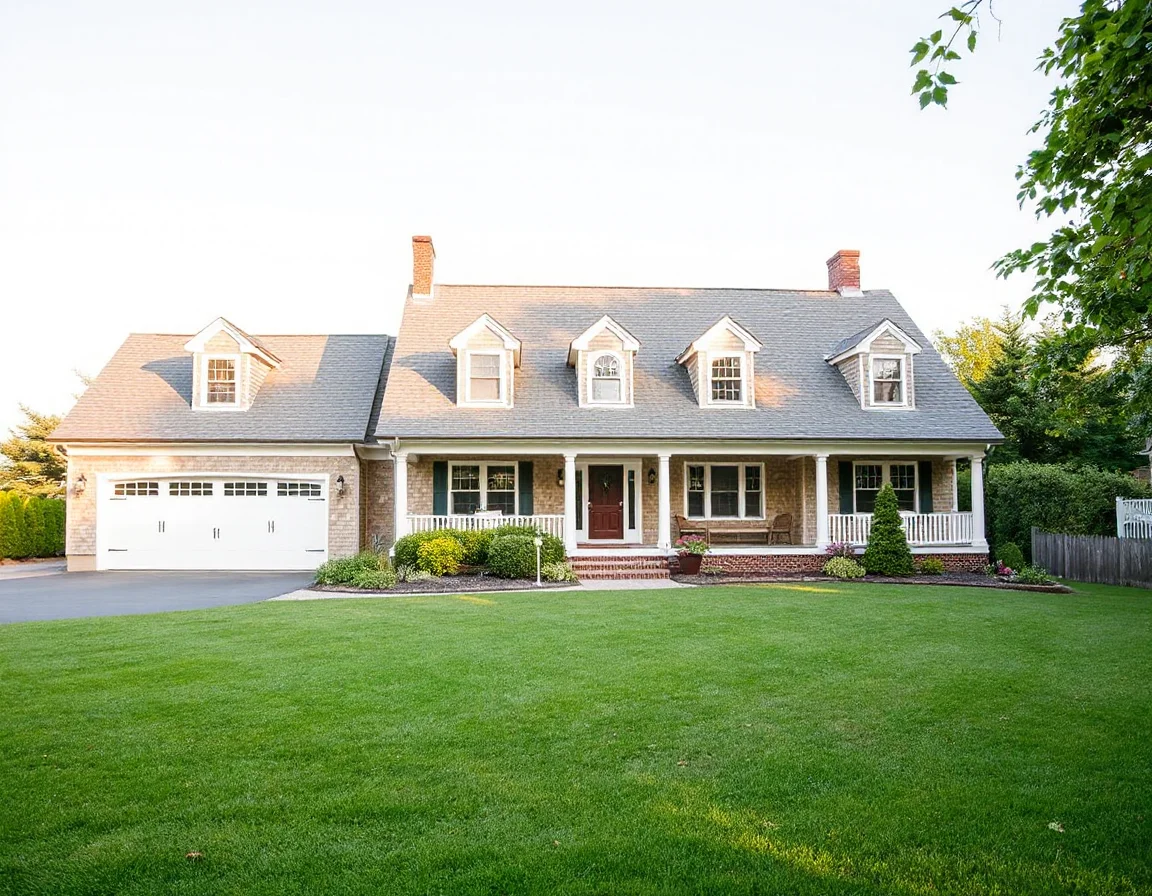
In Brewster especially, where some neighborhoods offer a more spread-out feel, lot size can contribute to a sense of calm and flexibility that many buyers value. In Harwich and Dennis, larger lots may be harder to find in the most coastal pockets, which can make them more notable when they do appear. For owners thinking ahead, land can also support future choices, whether that means expanding outdoor living, adjusting the driveway, or simply preserving open space around the home.
From a resale perspective, bigger lots often appeal steadily rather than dramatically. They may not create the instant emotional reaction of a marsh panorama or a direct beach path, but they can strengthen marketability by solving practical concerns. Outdoor storage, entertaining space, pet areas, gardening potential, and room between homes all matter. In a market where many properties ask buyers to compromise, usable land can be an underrated advantage.
How to compare these features in Harwich, Dennis, and Brewster
The best way to run the “value test” is to compare homes at similar price points and ask what part of the premium comes from location, what part comes from the house itself, and what part comes from scarcity. A smaller updated home with a short beach walk may outperform a larger inland home if access is the market’s key driver in that micro-location. A marsh-view property may justify its premium when the sight lines are exceptional and the house is positioned to capture them well. A bigger lot may become the smartest choice when the home has room to evolve and the setting feels increasingly hard to find.
It also helps to think seasonally. Summer may highlight beach proximity, but shoulder seasons often reveal the daily pleasure of a view and the usefulness of land. Winter can expose wind, drainage, and maintenance realities. Looking at a property through all four seasons gives a much more reliable sense of value than relying on a single sunny weekend showing.
For many buyers, there is no universal winner among marsh view, beach walk, or larger lot. The strongest purchase is usually the one where the premium lines up with how the property will actually be used, how easy it will be to maintain, and how clearly the next buyer will understand its advantages. In Harwich, Dennis, and Brewster, that kind of clarity is what turns a good Cape Cod home into a smart long-term choice.