
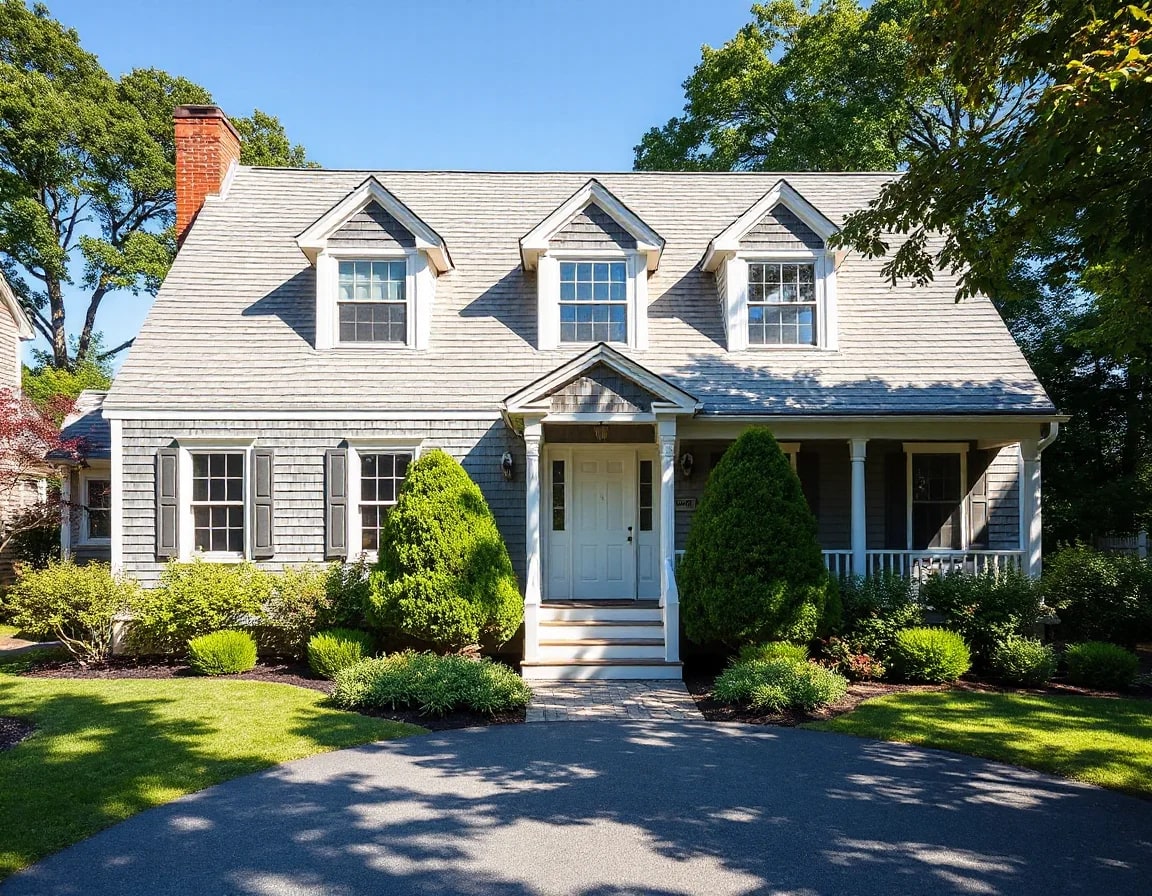
An asking price is only the opening number, not the full story. In Harwich, buyers who look beyond the list price can spot whether a home is priced to invite competition, reflect recent updates, or account for location and condition. These seven clues can help you build a stronger offer strategy with fewer surprises once inspections, appraisals, and negotiations begin.
Why list price only tells part of the story
In a market like Harwich, the price on a listing can feel decisive, but it is really just one signal among many. Two homes with the same asking price may have very different value drivers depending on lot size, proximity to water, updates, layout, age of systems, and how recently comparable properties closed nearby. Buyers who pause to study those details often make better decisions than buyers who focus on the headline number alone.
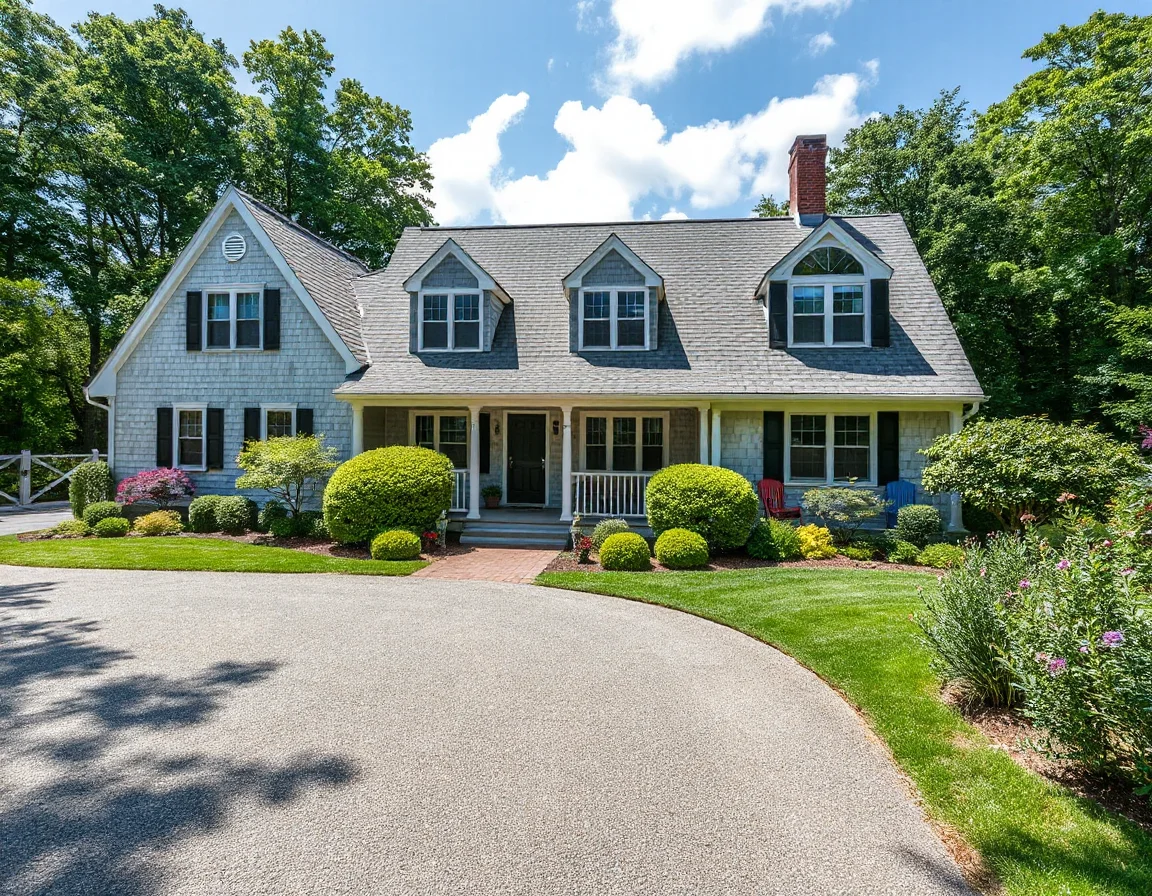
The first clue is how a home compares with recent comparable sales. A new listing may look attractively priced until you notice that similar homes sold for less just a few months ago, or that those prior sales had larger lots, newer roofs, or finished lower levels. On the other hand, a home priced slightly above recent sales may still make sense if it has significant improvements that reduce future maintenance or improve everyday use of the space.
The second clue is the pricing pattern itself. A clean, round number can sometimes indicate a straightforward pricing strategy, while an oddly specific list price may reflect a seller trying to align closely with a target valuation. Neither is automatically good or bad, but pricing style can hint at how firmly the seller views their number and whether there may be room for negotiation.
When a Harwich listing draws early attention, the real clue is not just the asking price but how that price stacks up against condition, updates, and recent nearby closings in the same price band.
The third clue is days on market. A fresh listing priced to generate immediate activity often requires a fast, well-supported response. A property that has been available longer may present more room to negotiate, but buyers should also ask why. It could be a simple pricing mismatch, or it could reflect deferred maintenance, a floor plan that limits flexibility, or a location factor the market is weighing carefully.
Condition, updates, and hidden cost signals
Clue number four is what the home appears to need in the first one to three years. Cosmetic work is one thing; larger items like heating systems, roofs, windows, drainage, or septic-related issues can affect the real cost of ownership. A lower asking price may look appealing until you estimate likely near-term expenses. By contrast, a higher-priced property with documented updates may offer more predictability after closing.
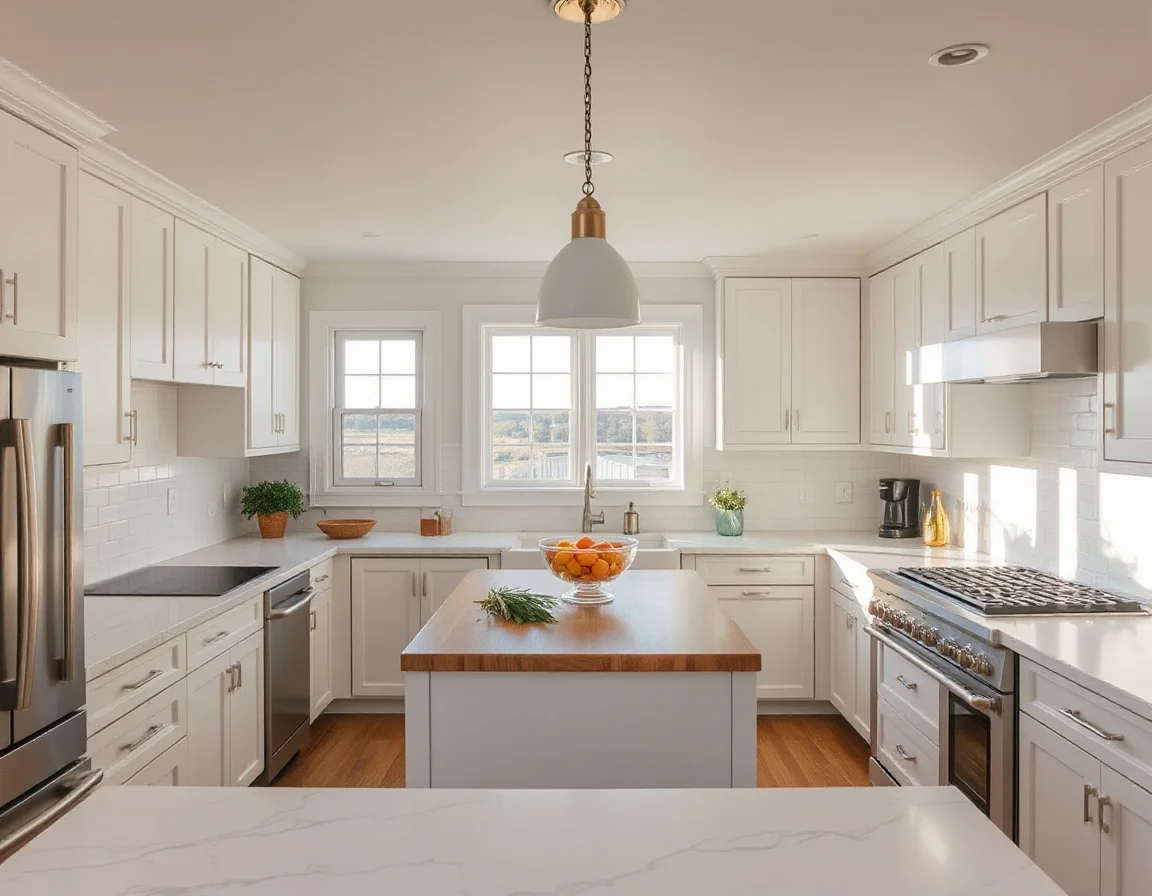
Clue number five is the quality and timing of renovations. Not all updates contribute equally to value. A recently renovated kitchen or bath can be meaningful, but buyers should look deeper at craftsmanship, permits where relevant, and whether the work fits the rest of the property. A polished interior paired with older major systems may not justify the same premium as a home with both visible improvements and substantial behind-the-scenes upgrades.
Another useful clue is how the listing presents the property’s strongest features. If the description and photos emphasize outdoor living, storage, a detached structure, or a walkable village setting, that may signal where the seller believes the value is concentrated. Buyers should decide whether those features matter enough to them to support a stronger offer, rather than paying for benefits they do not personally prioritize.
A competitive offer is not always the highest number first. Strong terms, realistic timelines, and a clear understanding of repair risk can matter just as much when pricing is tight.
In Harwich, this matters because housing stock can vary significantly from one street to the next. Some homes offer updated year-round functionality, while others may shine more for seasonal use, outdoor space, or classic Cape character. A buyer who recognizes which attributes are driving the list price is in a far better position to decide whether to meet it, exceed it, or step back.
Location clues that influence offer strategy
The sixth clue is micro-location. Even within the same town, pricing can shift based on convenience to beaches, village areas, conservation land, marinas, and everyday errands. Corner lots, road noise, flood zone considerations, and seasonal traffic patterns can all influence market response. Buyers should be careful not to assume that square footage alone explains price differences when location factors may be doing a lot of the work.
The seventh clue is whether the home appears positioned for appraisal support. If the asking price stretches beyond recent nearby sales without a clear reason, buyers should be cautious about how that number may hold up during financing. If the property has compelling differences, the price may still be justified, but it helps to understand that before writing an offer rather than after negotiations are already underway.

This is where local context becomes especially useful. Reviewing photos and disclosures is important, but so is understanding which streets tend to command a premium, which features consistently attract buyer attention, and which listings may need a more measured approach. Key Holder Realty works with buyers across Harwich and surrounding Cape Cod communities, helping them connect listing strategy with real market behavior instead of guesswork.
For buyers, the practical takeaway is simple: before offering, study the recent comps, evaluate near-term condition costs, note the listing’s time on market, and weigh the specific location within Harwich. Then build an offer around the full picture, not just the asking price. That approach can help you move with confidence whether the right decision is to compete strongly, negotiate carefully, or keep looking for a better fit.
A smarter way to read the number on the screen
Every price tells a story, but not every story is obvious at first glance. In Harwich, the buyers who do best are often the ones who treat list price as a clue rather than a verdict. By paying attention to comparable sales, condition, update quality, location details, market timing, and appraisal support, you can make an offer that reflects both opportunity and risk with much greater clarity.
That kind of preparation does more than strengthen a negotiation. It also helps you feel better about the decision after the contract is signed, because your offer is grounded in the property’s actual market position rather than the pressure of the moment.