

Choosing between Harwich Port and Chatham often comes down to pace, housing style, and how you want daily life to feel on Cape Cod. Both villages offer shoreline access, local businesses, and a strong sense of place, but they deliver those qualities in distinct ways. If you are weighing where to buy next, a closer look at atmosphere, inventory, and everyday convenience can make the decision much clearer.
Two coastal villages, two different rhythms
On paper, Harwich Port and Chatham can look similar: both sit along the Lower Cape, both have coveted coastal addresses, and both attract buyers who want easy access to water, village centers, and classic Cape architecture. Once you spend time in each, though, the differences become more noticeable. One often feels a little more laid-back and tucked in, while the other tends to offer a more polished village-center experience with a broader regional draw.
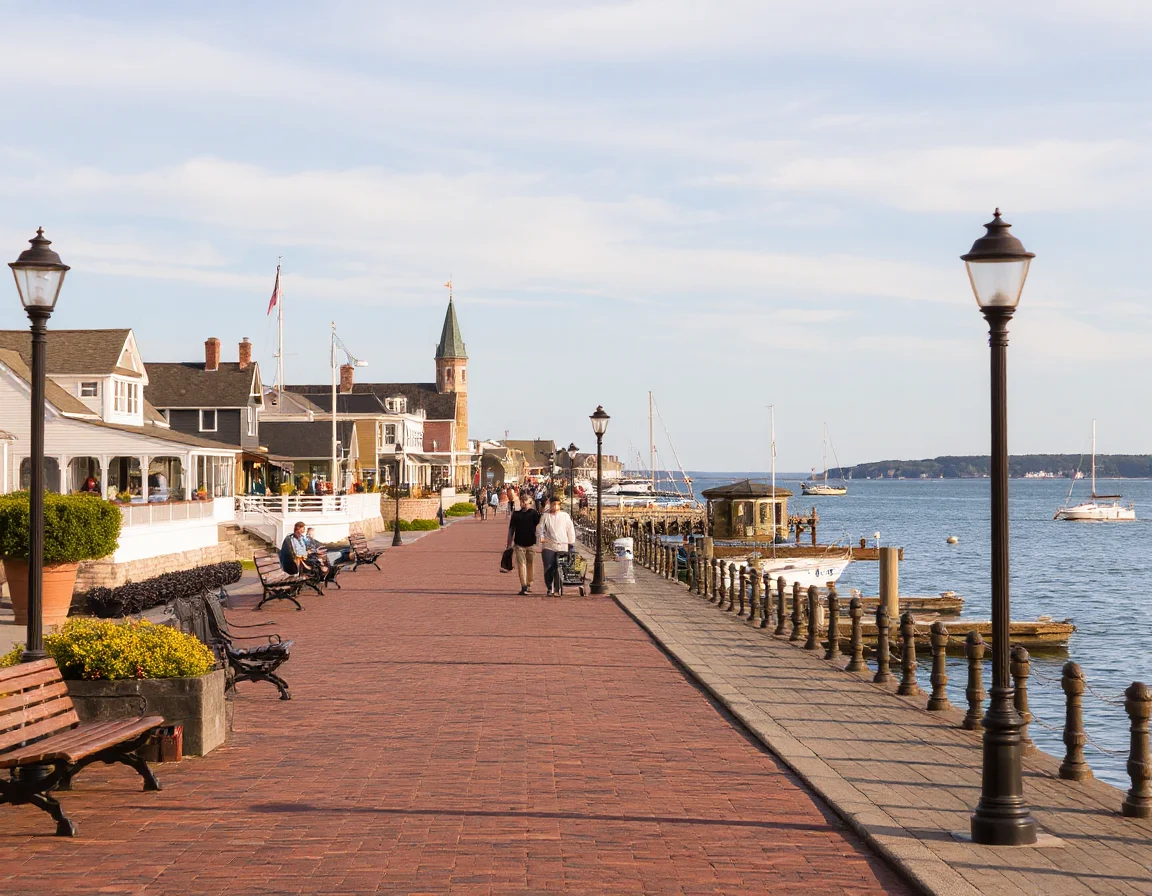
That distinction matters because real estate decisions are not only about square footage or lot size. They are also about how errands feel, how often you will walk to the village center, whether you prefer a quieter side street or a more active core, and how much value you place on being near marinas, beaches, or year-round services. Buyers often discover that their best fit is less about which town is “better” and more about which one matches their preferred routine.
Frank Boyle and the team at Key Holder Realty work closely with buyers and sellers across Harwich and Cape Cod communities, and that local perspective becomes especially useful in comparisons like this. Streets that look similar online can feel very different in person depending on traffic flow, proximity to the shoreline, lot configuration, and how connected a home is to the heart of the village.
A short drive on Cape Cod can create a very different day-to-day experience. Touring both villages back-to-back is often the fastest way to spot which setting feels more natural for your routine.
What Harwich Port tends to offer
Harwich Port often appeals to buyers looking for a village atmosphere that feels approachable and easy to settle into. There is a compact center, access to Nantucket Sound beaches, and a mix of homes that can include classic Cape houses, renovated cottages, and properties on side roads that feel pleasantly removed from the busiest stretches. For many shoppers, the appeal is the balance: enough activity to stay connected, but often with a more relaxed tone.
Another advantage is variety within a relatively small area. Some homes sit close to village amenities and shoreline destinations, while others offer a little more privacy or a different price point just beyond the most central pockets. That can create opportunities for buyers who want to be near the water or village center without feeling locked into one narrow housing type.
For sellers, Harwich Port can be compelling because buyers are often specifically searching for that mix of coastal convenience and lower-key village character. Presentation matters here. A home that highlights outdoor living, updated systems, storage for beach gear or boating equipment, and easy maintenance can stand out quickly in a market where lifestyle is part of the value equation.
What sets Chatham apart
Chatham has a strong identity within the Cape market. Its village center, waterfront presence, and well-known coastal scenery give it a profile that many buyers recognize immediately. The housing stock can feel more prestige-oriented in certain areas, and prices often reflect that visibility, particularly for properties with water views, walkability to the center, or close access to beaches and boating.
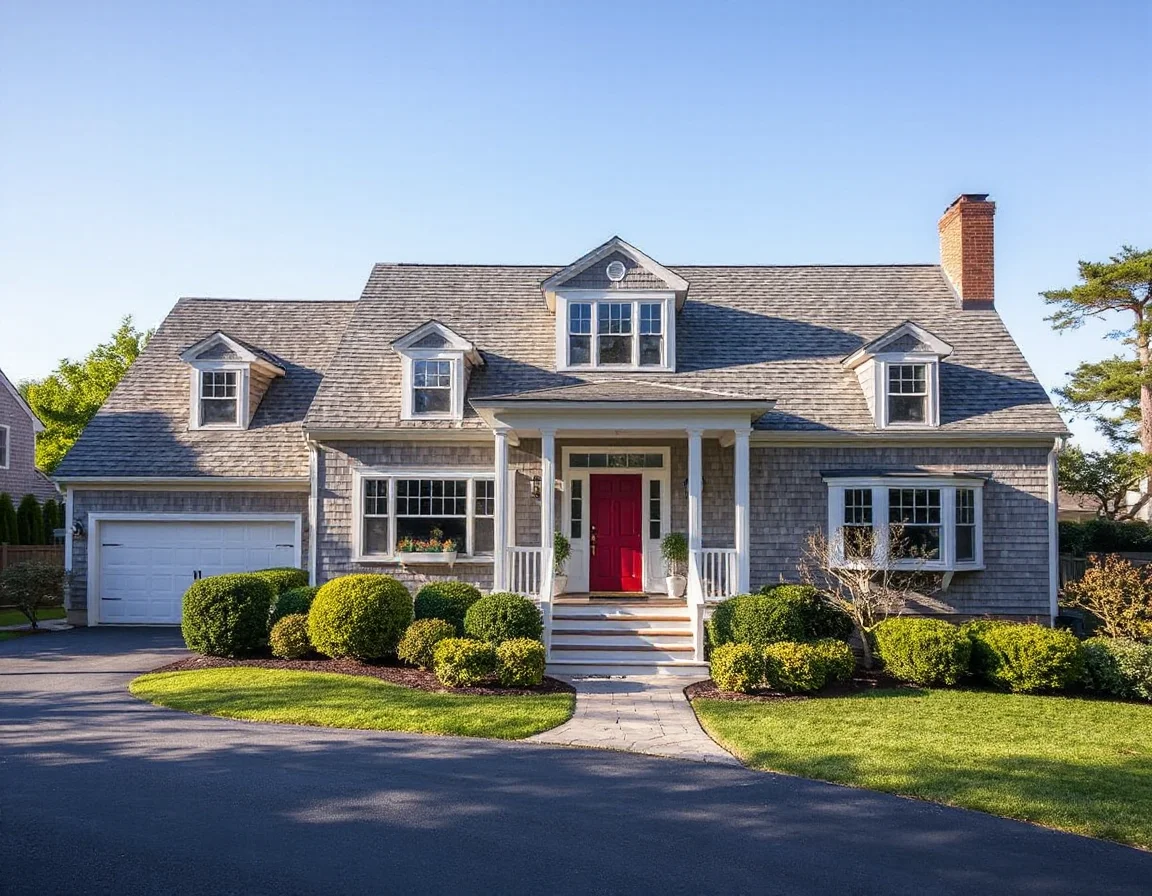
That does not mean every home in Chatham falls into the highest end of the market, but it does mean buyers should be prepared for a competitive landscape when desirable properties come up. Inventory can move quickly when condition, location, and pricing line up. In practical terms, that often calls for a sharper strategy, cleaner decision-making, and a realistic view of trade-offs between location, size, and renovation needs.
The everyday experience in Chatham also has a distinct texture. There is an energy to the village environment, especially in active seasons, and many people enjoy the concentration of galleries, dining, shoreline destinations, and public spaces. If your vision of Cape living includes a more established village center with broad recognition and a strong sense of arrival, Chatham may feel like the stronger match.
From a seller’s perspective, Chatham’s name recognition can be a meaningful advantage, but expectations are often high. Buyers will compare finish level, curb appeal, outdoor spaces, and location nuance carefully. Strategic pricing and thoughtful preparation can make a noticeable difference in how long a listing stays on the market and what kind of attention it receives.
In Chatham, small location details can carry outsized value. Distance to the village center, shoreline access, and condition updates often shape buyer response more than raw square footage alone.
How to compare home values and inventory
If you are deciding between the two, start by comparing what your budget buys in each village today rather than relying on broad assumptions. In some cases, Harwich Port may offer more flexibility on lot size, renovation potential, or proximity trade-offs. In others, Chatham may justify its pricing through location prestige, housing quality, or long-term desirability tied to very specific pockets of town.
It also helps to define your non-negotiables before touring. Do you want to walk to the village center? Is water access the priority? Would you rather have a move-in-ready property or take on updates over time? Once those answers are clear, the comparison becomes more grounded. Without that framework, it is easy to get pulled toward whichever listing has the strongest photos rather than the best real-life fit.
For sellers wondering how their home would be positioned, local comparison is essential. A property in Harwich Port should not be judged by Chatham expectations alone, and the reverse is also true. Pricing, marketing, and buyer pool dynamics shift from one coastal village to the next, even when the distance between them is short.
Lifestyle details that matter more than you think
Beyond the numbers, there are smaller details that often end up deciding the conversation. Parking and traffic patterns can affect how often you head into the village. Beach access points and marina options can shape weekends. The feel of a main road versus a tucked-away lane can change your experience of a property more than an extra room or a larger deck.

Seasonality is worth considering too. Some buyers love a village that feels energetic in peak months and peaceful in the off-season. Others want stronger year-round continuity in services and activity. Neither preference is right or wrong, but naming it early can keep your search focused. The same is true for maintenance expectations: older coastal homes can bring character and charm, but they may also come with ongoing upkeep considerations tied to weather exposure and age.
That is where local guidance has real value. Key Holder Realty can help translate broad impressions into concrete decisions by pointing out street-by-street differences, realistic pricing patterns, and which homes may carry hidden opportunity or hidden cost. A smart search is not just about seeing listings; it is about understanding context.
The better choice is the one that fits your routine
Harwich Port and Chatham both offer a strong coastal lifestyle, but they serve it in different ways. Harwich Port may suit buyers who want a relaxed village feel with flexibility across housing types and locations. Chatham may be the right fit for those drawn to a highly established coastal setting with strong village identity and a market that often places a premium on location and presentation.
The best next step is simple: compare them in person with a clear list of priorities and a current read on inventory. When you know what daily life should look like, the right village usually becomes easier to spot. With local insight from Frank Boyle and Key Holder Realty, that decision can move from abstract comparison to confident action.